Ashigara Castle Ruins
| Address | Yagurazawa and Takenoshita, Oyamacho, Minamiashigara, |
|---|
Overview
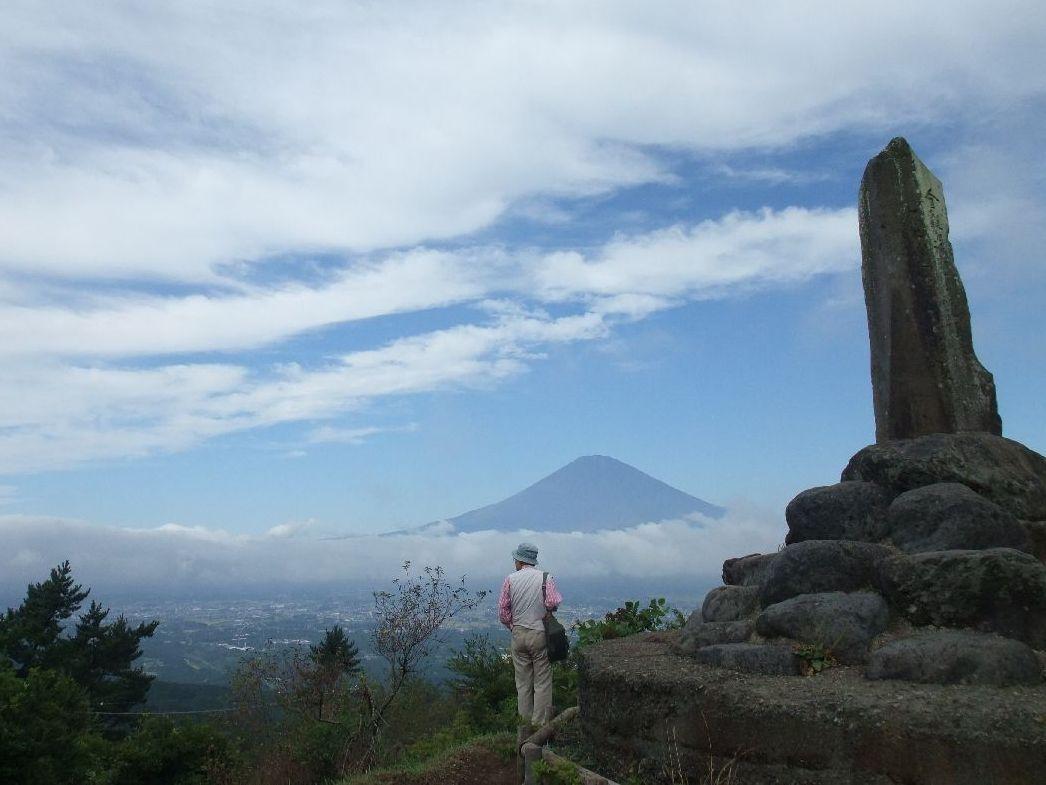
During the Heian period, a checkpoint was built in the Ashigara Pass, which is where Ashigara Castle stood, as it was an important point for traffic from east to west. It is said that it was around the time of Ujitsuna, the second generation of the Late Hojo clan in the Sengoku peroid, that soldiers were stationed in this region. Before long, it played a central role in the Ashigara mountain line of defense as a full-fledged fortress in response to conflict with the Imagawa clan and the Takeda clan. After The Battle of Okehazama, in which the Imagawa clan was defeated, the Takeda and the Hojo clan started another violent scramble for the Sunto region. When the front line of the Hojo clan, the Fukasawa Castle (Gotemba), fell in 1571 (Genki 2), this castle became important as a citadel at the front line of the border. There is also a record that stone carvers were sent to Ashigara Castle to establish a stone fort. Later, after the destruction of the Takeda family, the Sunto region was taken over by Tokugawa Ieyasu. However, forts were constructed on key points between the Inohanadake (Mount Ashigara), Ashigara Castle, and Hamaiba Castle, fortifying the entire mountain. When the Late Hojo fought against the army of Toyotomi Hideyoshi in 1590 (Tensho 18), he took troops from Izu and Hakone to strength the defenses of the castle. Despite his efforts, the Yamanaka Castle in Hakone fell in only half a day. Hojo Ujitada, lord of Ashigara’s Castle, then entered Odawara Castle. His castle keeper, Yoda Daizenosuke, also left the castle. When Ii Naomasa, a general under Tokugawa Ieyasu, attacked and entered the castle, “there were only 26 foot soldiers who all ran away at once” (Kanhasshu Kosenroku - Ancient Battle Records for the Eight Provinces of Kanto). The castle ruins consist of five connected walls along the highway. They were buried by volcanic ashes when Mt. Fuji erupted during the Hoei era of the Edo period, but you can visit both the dried moats and the earthen walls. In one of the enclosures, there is a well called the "Tamate pond". During road construction work in the 1970’s (Showa 50’s) the water vein was struck. Although it is not as much as it used to be, it is still filled with water today. Since ancient times the pond has been known as a “rainmaking” pond. It is said that whenever there was a long drought, the farmers of the neighboring villages would stir the pond with a stick in order to make it rain. The view of Mt. Fuji from the castle is very impressive.
Access Information
Take the train, bus, or Daiyuzan Line of the Izuhakone Railway to "Manyo Park". From there it is a 5-minute walk
By car: a 30-minute drive from the Oimatsuda IC (Tomei Expressway)